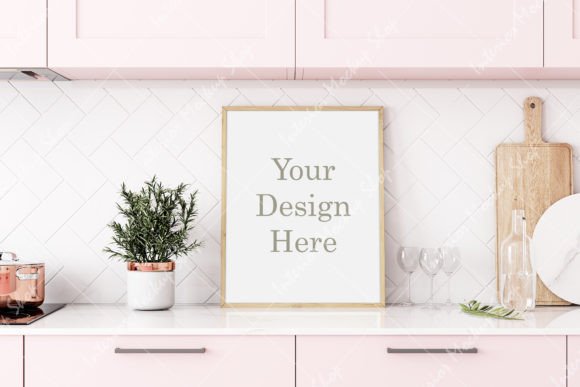
Elevate Your Visuals with Frame Mockup Kitchen Room
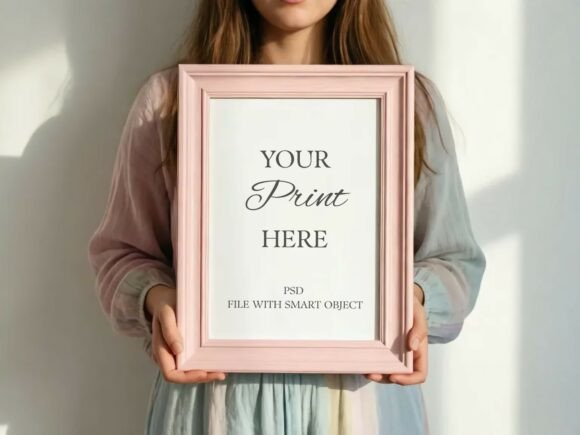
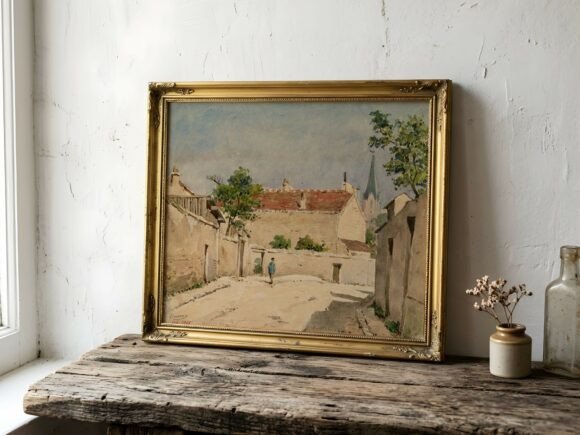
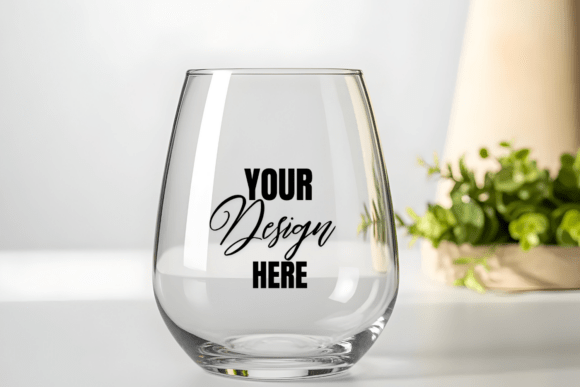
Imagine presenting your latest art print, typography design, or brand logo not as a flat file, but as a beautifully framed piece hanging in a warm, inviting kitchen space. This is the power of a high-quality mockup, specifically the Frame Mockup Kitchen Room. It transforms your digital work into a tangible, contextual scene, allowing clients and customers to instantly visualize your creation in a real-world setting, which is a cornerstone of effective visual communication and modern branding.
Why Context is King in Design Presentation
A standalone design file often fails to convey its full potential. Placing that same design within a curated environment, like a kitchen interior, does more than just decorate—it tells a story. It helps establish an aesthetic, communicates scale, and evokes an emotional response. For designers, marketers, and creators, this contextual presentation is not a luxury; it's a strategic tool for strengthening brand identity and improving user engagement across all platforms.
Practical Applications for Creative Professionals
The versatility of a well-crafted interior mockup makes it invaluable across numerous creative projects. Here’s how professionals leverage assets like the Frame Mockup Kitchen Room:
- Branding and Logo Design: Showcase how a logo or monogram would look as wall art in a lifestyle setting, perfect for brand identity presentations.
- Marketing and Social Media Content: Create scroll-stopping Instagram posts, Pinterest pins, and Facebook ads that feature your designs in an aspirational environment, boosting visual appeal and click-through rates.
- Web and UI Design: Use the mockup as a hero image or portfolio piece to demonstrate how digital products or prints can enhance a user's physical space.
- E-commerce and Digital Products: For sellers on platforms like Etsy or Shopify, a mockup is essential. It provides customers with a clear visual of the final product, increasing conversion rates for art prints, posters, and custom invitations.
- Editorial and Packaging Design: Present mockups of book covers, magazine layouts, or packaging concepts in a relatable, lifestyle-oriented scene for client pitches or portfolio showcases.
Selecting and Using Mockups Effectively
Not all mockups are created equal. To ensure a professional and cohesive result, consider these factors during your design workflow:
- Quality and Resolution: Always opt for high-resolution files (like the 3600 x 2400 px size offered) to maintain clarity, especially for print design and detailed presentations.
- Consistency with Brand Aesthetics: Choose a mockup scene that aligns with your brand's color palette and overall vibe. A minimalist, clean kitchen mockup suits a modern brand, while a rustic frame fits a bohemian style.
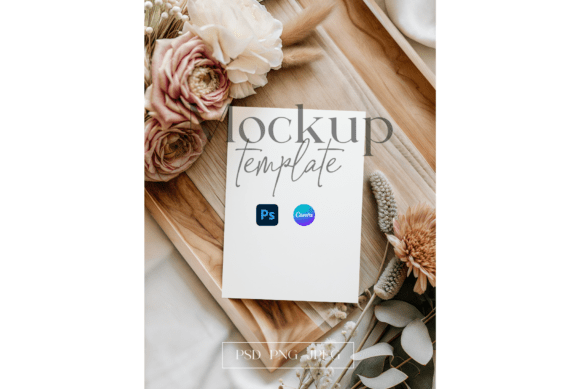
- Ease of Use: Look for mockups that offer smart object functionality in Photoshop or are easily customizable in Canva. This streamlines your design process and allows for quick iterations.
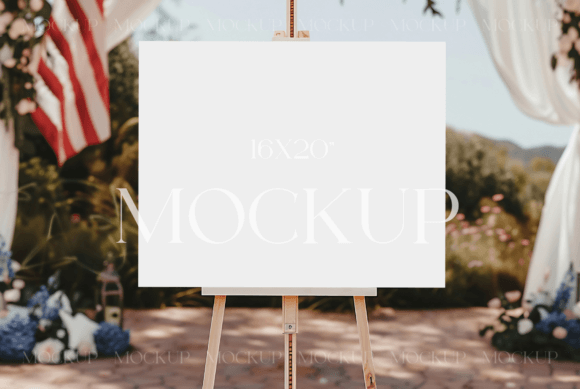
- Scalability and Fit: Understand the mockup's specifications. For instance, this frame mockup is fixed, so you must scale your artwork to fit the designated frame area (suitable for sizes like 8x10 or 16x20). This ensures your composition remains balanced and visually hierarchical.
By integrating thoughtful mockups into your process, you bridge the gap between concept and reality. The right visual asset doesn't just display your work; it enhances its perceived value, communicates professionalism, and ultimately helps your creative projects resonate more deeply with your intended audience.